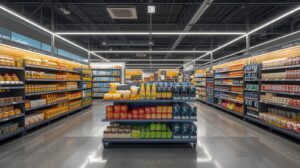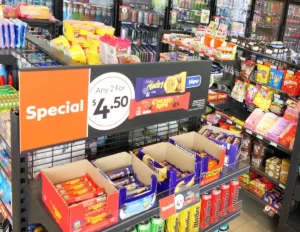
A well-planned shelving setup supports smoother movement, clearer displays, and safer daily use. Many retailers focus on appearance, although shelf strength, product weight, and layout planning drive better long-term results. A practical system reduces clutter and helps staff restock faster.
Commercial shelves carry heavy loads each day, so strong construction and consistent alignment matter. Our team at Mills Shelving works with a wide range of Australian retailers, and this guide draws from that experience. The aim is to help retailers select shelving that fits their stock, store layout, and long-term needs.
Different stores rely on shelving that suits their stock size, weight, and customer activity. The table below summarises the core needs for each environment.
Business Type and Shelving Needs:
| Business Type | Key Needs | Short Notes |
| Grocery and Convenience Stores | Adjustable shelves, strong frames, suitable depths, and stable end bays. | Rapid stock rotation needs shelves that shift fast. Convenience store shelving helps maintain tidy displays in narrow aisles, and gondola units support smooth category flow across the store. |
| Pharmacies and Health Retailers | Shallow shelves, dividers, ticket strips, wall units, clean lines | Thousands of small items need tidy separation. Our clients regain space after adjusting the shelf depth. Pharmacy shelving works best when it shifts quickly during seasonal changes. |
| Bottle Shops and Liquor Retailers | High load capacity, wide shelves, stable steel frames, and end bays | Heavy cartons and glass bottles need strong steel frames. Liquor shelving keeps weight stable during busy periods and reduces bending. |
| Supermarkets | Long gondola runs, matched components, end units, wall units, and adjustable layouts | Large stores rely on consistent bays for smooth resets. Strong supermarket shelving supports heavy restocking across long aisles. |
| Cool Rooms in Retail Settings | Rust-resistant surfaces, stable frames, load ratings for drinks and produce, and clear spacing for airflow | Cold environments need shelves that remain stable in moisture. Cool room shelving supports quick cleaning and holds drinks or produce without movement. |
| Petrol and Service Stations | Durable units, shallow shelves for impulse goods, hooks for small items, stable bays | Small floor areas need compact displays. Petrol station shelving helps staff keep mixed categories neat without slowing movement near the counter. |
| Trade Stores | High weight capacity, strong frames, deep shelves, compatibility with hooks and bins | Heavy tools and fittings need shelves that stay firm under constant handling. Trade store shelving supports irregular product sizes and frequent customer interaction. |
Product weight, size, and packaging influence the type of shelving that performs best. A clear review of stock early in the process helps avoid sagging shelves, wasted space, or displays that lose visibility. Stores that handle heavier cartons gain more reliability from commercial-grade shelving built for strong loads, while retailers with small packaged goods benefit from shallow shelves that keep items within clear view.
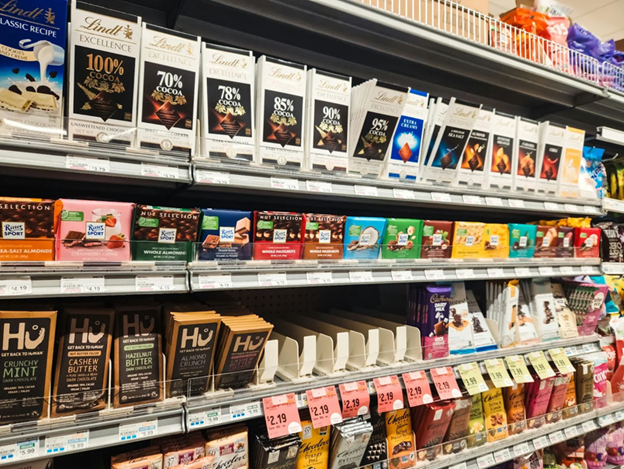
Weight ratings guide the choice of shelf strength. Light goods sit well on standard shelves, though canned goods or bottled drinks need stronger support.
As for the larger items, they need deeper shelves, and tall packs require more vertical room. Fragile or irregular goods improve with dividers, back panels, or ticket strips. Fast-moving categories respond well to adjustable shelves that shift quickly during resets.
Our team often sees layout issues tied to shelf depth. One of our clients in a busy convenience store regained nearly an entire metre of walkway after switching from deep shelves to a shallower format that suited their snack range. Small changes like this reduce clutter and help customers move through high traffic zones with less effort.
A concise approach follows:
Stores that review these factors gain a system that supports both staff workflow and long-term stability.
Store layout shapes the way shelving should be arranged. Aisle width influences customer movement, and narrow paths slow people down during busy periods. Well-spaced runs give customers room to move, help staff refill shelves without obstruction, and keep product lines visible from a distance.
End bays, on the other hand, sit at the end of aisle runs and hold featured items or short-term promotions. These displays work best when shelves stay aligned at eye level, and stock remains front-facing.
A simple plan for layout includes selecting suitable aisle widths, placing gondola runs for smooth flow, using wall units for key categories, and setting end bays for promotional stock.
A compact breakdown helps guide the process:
In our experience, stores often gain more movement space after adjusting aisle width by a small margin. A short shift in spacing reduces blockages near busy zones and helps customers reach products faster.
A well-planned layout supports smoother shopping and clearer product visibility.
Retailers gain more value from shelving that suits their day-to-day activities. Each format supports different goals, from clear aisle structure to secure perimeter storage. Our experience shows that most stores benefit from a mixed approach, as each unit type contributes to overall flow.

Shelving in commercial settings faces constant pressure from restocking, customer interaction, and product weight. Steel frames provide a longer service life and maintain alignment under heavy loads. Stores that rely on strong construction reduce issues such as bending or wobbling during peak periods.
Our commercial shelving uses steel frames suited to the demands of Australian retailers. Strong materials keep shelves firm, even with daily lifting or shifting. Solid construction also helps staff complete refills faster because shelves stay level and aligned across bays.
Installation affects how well a shelving system performs over time. A steady base keeps bays aligned and reduces movement under daily loads. Stores with simple layouts may handle their own setup, although larger sites with long aisles or complex runs often request professional assistance. Our installation labour rates range from $75 to $125 per hour, depending on project scope and store requirements.
Routine checks help maintain a strong presentation and safe loading. A simple schedule includes:
Many retailers adjust shelves during seasonal shifts or promotional periods. Units that move without difficulty save staff time and help maintain tidy aisles. Stores seeking more guidance can read through our guide on shelving installation and ongoing maintenance, which covers setup, adjustments, and general care in more detail.
A well-planned budget helps retailers choose shelving that supports daily use and holds its shape under constant loading. Light-duty shelves often appeal due to a lower initial cost, although they tend to lose alignment faster when heavier products sit on them each day.
In our experience, stores that invest in commercial-grade shelving gain stronger long-term value through fewer replacements and fewer interruptions during busy periods.
Our Recommendation: Treat shelving as a long-term asset. Strong frames reduce bending, protect stock during restocking, and help staff maintain tidy bays with less effort. A system built for commercial use also manages category growth more effectively, since heavier or larger items can be added without stressing the structure.
A practical approach is simple. Review the weight of your heaviest products, consider how often shelves will be refilled, and assess the room your categories may need in the future. Match your budget to a system that delivers a long service life rather than a short-term saving. A sturdy setup keeps alignment consistent, maintains display quality, and supports smoother resets through seasonal changes.
Mills Shelving guides retailers through these decisions every day. Our experience across different store types shows that durable shelving provides stronger returns over time and supports a more reliable retail environment.
Some choices lead to higher long-term costs or poor store flow. The table below outlines common mistakes and the issues they create.
| Mistake | Result |
| Low weight capacity for heavy stock | Shelves sag or lose alignment under daily loads |
| Shelf depths that do not fit larger products | Packaging hangs over the edge or blocks visibility |
| Narrow aisles that restrict movement | Congestion builds during busy periods |
| Accessories that do not match the shelving system | Unsteady displays and poor product placement |
| No plan for seasonal or category changes | Frequent resets become slow and messy |
Avoiding these issues helps maintain a safer, smoother, and more reliable retail setup.
A short checklist helps confirm the right setup.
A clear checklist guides retailers toward a shelving system that performs better day after day.
The right shelving keeps stock organised, supports faster refills, and gives customers a clearer path through the store. A system that matches your product weight, shelf depth needs, and layout delivers steady performance each day.
Mills Shelving helps retailers choose shelves built for real store conditions. You can review our commercial shelving range, read through shelving designed for retail stores, or view options across our gondola shelving range for daily use.
For guidance that suits your store, contact Mills Shelving and speak with our team. We help retailers build shelving setups that stay firm and stay aligned.